The 30 Second Classroom Reset
A practical regulation strategy that helps students settle,
focus & return to learning
Teachers leave with a practical tool they can implement
the very next day.
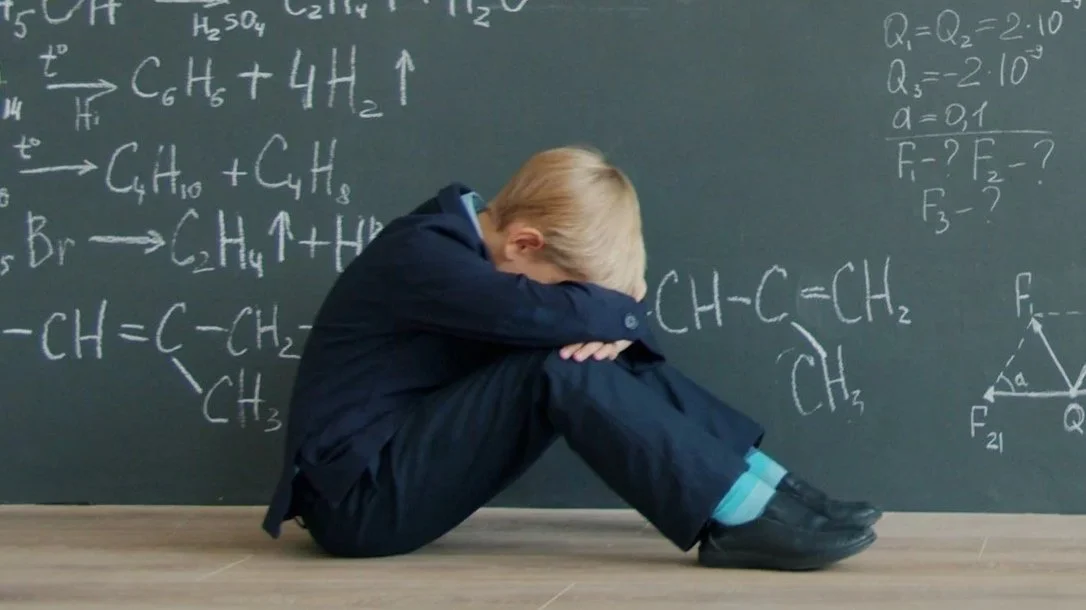
Every classroom experiences moments when students arrive in different nervous system states.
Some students may arrive alert and ready to learn. Others may arrive overwhelmed, fatigued, or still carrying the stimulation of previous activities or transitions.
When the nervous system is dysregulated, the brain prioritises survival responses rather than attention, memory, and learning.
The 30 Second Classroom Reset introduces a simple strategy teachers can use during classroom transitions to support nervous system regulation, helping students re-engage and return to learning.
Why This Matters
Students do not walk into class as blank slates.
They arrive carrying the effects of transition, stimulation, fatigue, emotion, social interaction and stress.
When a student’s nervous system enters a stress response, the brain shifts resources toward survival systems such as the amygdala and limbic system and away from the prefrontal cortex, the area responsible for attention, working memory, decision making and learning.
When the nervous system settles, students can access learning again.
Research supports the relationship between breathing practices, stress regulation and cognitive performance.
“Daily breathing exercises in primary school classrooms contribute to enhancing children’s performance in arithmetic.”
— Voltmer et al., Scientific Reports (2023)
“Various breathing techniques have shown to have a significant impact on cognitive functions and stress levels.”
— Peleckis et al., Physical Activity and Health (2026)
Supporting children to develop self-regulation in the early years also contributes to stronger learning foundations.
“Supporting children develop self-regulation in the early years lays a strong foundation for learning and long-term success.”
— Queensland Curriculum and Assessment Authority
What is the 30 Second Classroom Reset?
The 30 Second Classroom Reset is a short teacher-led breathing routine used at key transition points in the school day.
It takes around thirty seconds and can be used:
at the beginning of the day
after lunch or recess
during transitions between activities
before learning tasks requiring focus
any time the class needs a quick reset
It is not another behaviour script.
It is not a long wellbeing activity.
It is not something teachers need to carve out extra time for.
It is a brief classroom routine that helps students shift state and prepare to learn.
The simple sequence
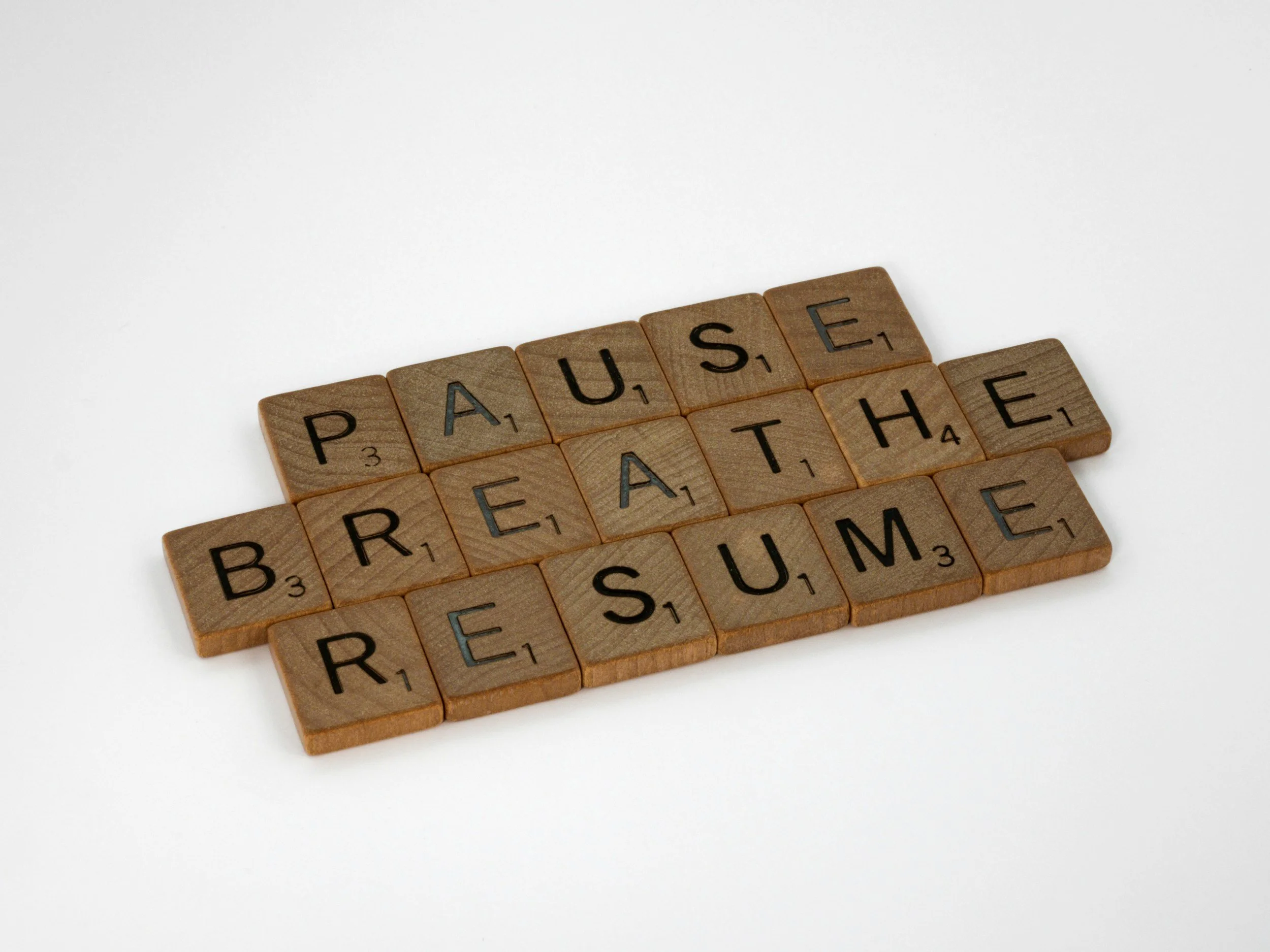
Pause
The teacher invites the class to pause.
Breathe
The class takes three guided breaths together.
Begin
Students return attention to the lesson.
Pause → Breathe → Begin
That is the reset.
How the Reset Works in the Classroom
The 30 Second Classroom Reset is designed to be used during natural classroom transitions.
Teachers guide a short breathing reset with the class before returning to the learning task.
Over time the routine becomes a familiar cue that signals it is time to settle, focus and begin again.
Because the practice takes around thirty seconds, it can be easily integrated into existing classroom routines without reducing teaching time.
Over time the reset can become a shared routine used across classrooms, supporting a consistent approach to regulation within the school
What teachers will learn
In this 60-minute live professional development session, teachers will learn:
• why nervous system state affects learning, focus, and behaviour
• why transitions often dysregulate classrooms
• how to guide the 30 Second Classroom Reset with students
• how invitational language encourages participation
• how teacher modelling supports co-regulation in the classroom
• how to integrate the reset into everyday classroom routines
Teachers leave with a strategy they can use tomorrow.
That matters because high quality professional learning is strongest when it is connected to practice, applied in context and evaluated for impact.
AITSL also notes that job-embedded professional learning is more effective than many traditional external professional learning approaches.


What schools can expect:
This session is designed to support schools in several practical ways:
A strategy teachers can use immediately
Teachers leave with a simple regulation practice they can begin using in their classrooms the very next day. The reset is short, realistic and easy to integrate into the school day.
Support for learning and behaviour
The reset helps create smoother transitions and calmer starts to learning. By helping students settle their nervous systems, it can reduce cognitive load and allow learners to focus more effectively on the knowledge and skills being explored.
The beginning of a practical regulation toolkit
Teachers leave with one clear strategy they can use immediately, while also gaining insight into the neuroscience of nervous system regulation and how small regulation practices can support learning environments.
Alignment with the Australian Curriculum
The approach supports the development of the Personal and Social Capability within the Australian Curriculum developed by ACARA, particularly students’ ability to recognise emotions, develop self-management skills and create the conditions for effective learning.
Support for curriculum implementation
Breathing and emotional regulation practices are already recognised in Australian school guidance. Wellbeing resources from the NSW Department of Education include breathing among the practical strategies used to support emotional regulation and engagement in classrooms.

Accessibility for Diverse Learners
Short, predictable regulation routines can support accessibility to learning for a wide range of nervous system profiles.
Practices such as the 30 Second Classroom Reset can support students who experience heightened stress responses, sensory overload, or difficulty settling during transitions.
Because the routine is brief, structured and repeatable, it can be accessible for many neurodivergent students as well as students who benefit from additional regulation support.
Who this is for
This session is suitable for:
• primary school teachers
• secondary school teachers
• early childhood educators
• teacher aides and support staff
• wellbeing teams
• learning support teams
• school leadership teams
It can be booked by individual teachers or delivered as a private staff PD session for a school.
Session format
Live online via Zoom
60-minute PD session
This format is designed to be easy to book and easy to attend.
It works well for:
• individual teacher bookings
• small group staff learning
• whole-school online PD
• regional or remote school access
Included With the Session
Participants receive access to a short implementation hub including:
• recap videos
• classroom examples
• printable teacher resources
• short refresher content
• Certificate of attendance provided so teachers can record 1hr of Professional Development (PD)
These resources help teachers apply the strategy in the classroom after the session, rather than hearing it once and forgetting it.
Session Options
Professional development teachers can apply in their classroom the very next day.
Individual Teacher
Session
Live 60 minute professional development session delivered online via Zoom.
Participants receive:
• the 60 minute live training session
• access to the teacher implementation hub
• recap videos and classroom examples
• printable classroom resources
• a strategy teachers can implement immediately in their classrooms
• certificate of attendance for
1 hour of teacher PD
Investment: $97 per teacher
Limited places available to support interaction and questions.
Whole School Professional Development
Book a dedicated session for your teaching team.
Ideal for staff meetings, professional learning sessions or wellbeing initiatives.
Includes:
• a 60 minute live online session for your staff
• implementation guidance for classroom use
• access to teacher resources
• a strategy teachers can implement immediately in their classrooms
• certificate of attendance for 1 hour of teacher PD (for each teacher)
Investment - To Be Quoted
(online session)
Schools interested in a private session can enquire below.

Why principals approve this
Schools are already navigating the impact of student stress, emotional dysregulation, classroom disruption, and teacher overload.
This session is designed to meet that reality with something practical.
It gives staff:
a shared language for classroom regulation
a consistent transition tool
a low-burden strategy that supports readiness for learning
It is brief.
It is evidence-informed.
It is easy to trial.
And it does not require teachers to overhaul their day.
Pilot School Program
Schools interested in exploring a broader implementation may be invited to participate in a pilot program following the session.
This allows schools to trial nervous system regulation strategies across classrooms and provide feedback that informs the future development of the program.
About The Resilient Breath
The Resilient Breath translates nervous system science into practical tools that can be used in real-world environments including classrooms, workplaces and community settings.
Our work focuses on helping educators understand how nervous system state influences attention, behaviour and learning, and how simple regulation practices can support calmer learning environments.
The team behind The Resilient Breath brings over 25 years of combined experience working in education, including delivering professional learning across Australia and supporting educators in a wide range of classroom settings.
Through this work we have seen firsthand how simple breathing and regulation practices can support students to settle, refocus and return to learning.
The Resilient Breath was created to bridge the gap between nervous system science and everyday teaching practice, providing educators with practical strategies that can be integrated into real classrooms.
Our approach focuses on practical strategies that support regulation without adding additional workload for teachers.
Expected Outcomes for Schools
Schools implementing the 30 Second Classroom Reset often aim to support:
Smoother classroom transitions
Short regulation moments can help students settle more quickly between activities and lessons. When transitions are calmer, teachers can spend less time managing behaviour and more time focused on teaching and learning.
Improved readiness for learning
When students are supported to regulate their nervous systems, they are more able to access attention, working memory and engagement. These cognitive processes underpin learning, problem solving and academic performance.
A shared regulation strategy across classrooms
Teachers gain a simple, consistent routine that can be used across different year levels and learning environments. Over time the reset can become a familiar transition cue used across the school.
Support for student wellbeing and inclusion
Teachers gain a simple, consistent routine that can be used across different year levels and learning environments. Over time the reset can become a familiar transition cue used across the school.
Increased teacher confidence in supporting regulation Educators gain a practical strategy they can use to support classroom calm without adding additional workload. The reset provides teachers with a simple tool they can integrate into everyday teaching practice.
Regulation before education.
When the nervous system settles, students are more available for learning.
Book the session
Teachers and schools can book a live online professional development session below.
Schools interested in private whole school training are welcome to enquire about dedicated sessions. Simply fill in the form below